
Exploring the Evolution of the Office of Vespers in the Roman Catholic Church Post 1955

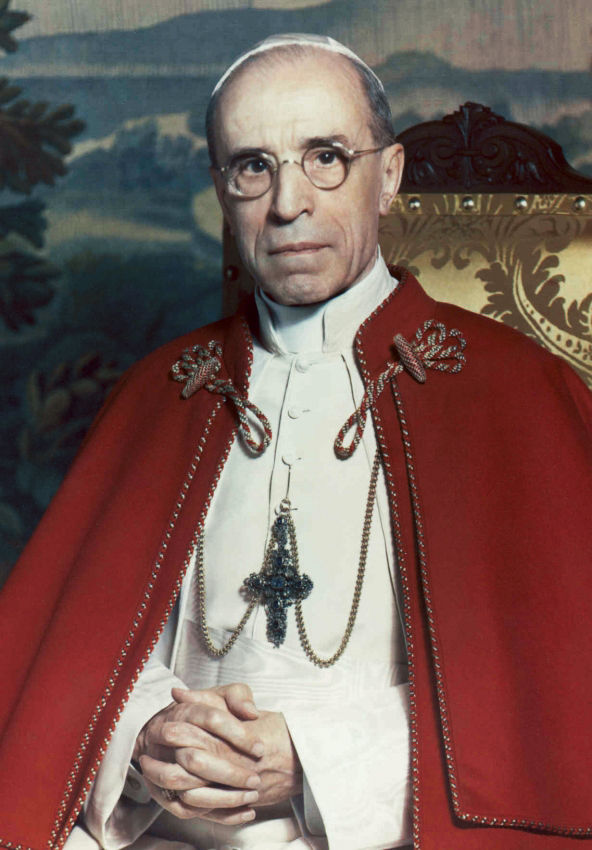
The Office of Vespers, an essential part of the Liturgy of the Hours, plays a crucial role in the Roman Catholic Church. Celebrated traditionally at sunset, this evening prayer has a deep history that stretches back centuries. Following the reforms of 1955, Vespers underwent notable changes that modernized its practice
Historical Background of Vespers
Vespers, derived from the Latin word "vesper," meaning evening, has been integral to Christian prayer since the early Church. It emerged as part of a daily cycle of prayers known as the Hours, particularly in monastic communities, where a structured approach to prayer was adopted.
The importance of Vespers extends beyond mere prayers; various psalms, hymns, and readings create a communal atmosphere among believers. Historically, Vespers was celebrated with a strong link to the liturgical calendar, marking different feasts and seasons, thus reflecting the Church's annual rhythm.
The monastic tradition significantly influenced Vespers, particularly through the Benedictine monks, who established specific rituals and times for evening prayers. Over time, this practice gained prominence not only among monks but also among parish communities, democratizing this sacred tradition.
The Vespers Office before 1955
Before Pope Pius XII's reforms, Vespers was characterized by a complex structure. Each office included a fixed set of psalms that mirrored the cycles of the Church year. The singing of hymns and antiphons contributed to a rich auditory experience, drawing worshippers closer to the Divine.
.
Changes Implemented in 1955
In 1955, Pope Pius XII introduced significant reforms to the Office of Vespers, aiming to modernize Church practices and enhance participation among laypeople.
Simplification of the Structure
A major change was the simplification of the Vespers structure. Revisions streamlined prayers to make them more accessible and approachable while maintaining their solemnity. For instance, the number of psalms and antiphons was reduced to allow for a more focused worship experience. It was also (wrongly) felt that the traditional office was simply too long, and priests and monastics and lay people needed something shorter.
Additionally, the liturgical texts were updated to reflect contemporary language, which made it easier for congregations to engage with the prayers. This modification aimed to foster a deeper connection between the faithful and the liturgical texts. Unfortunately, by getting rid of Latin the office of Vespers lost a lot of its beauty. This is particularly so for the hymns that were written in Latin. The translations miss some of the deeper meaning and symbolism and they often are barely singable.
While it can be said, that the modernization of the office of Vespers, potentially made it more accessible, by modernizing it and reducing some of the beautiful antiphons that reflect the liturgical calendar, the opposite was true. The modern elements added to Vespers made the office almost banal and not interesting to recite.
Integration of Modern Elements
Pope Pius XII's reforms also paved the way for incorporating modern liturgical elements. Parishes began to use different musical styles and instruments, allowing Vespers to resonate with various cultural expressions of faith. For example, some communities initiated contemporary music sessions that aligned with modern themes, making the liturgy relatable to younger audiences.
The introduction of new hymns catered to worshippers familiar with contemporary music, thus enriching their overall experience of Vespers.
The Impact of Vatican II on Vespers
The Second Vatican Council (1962-1965) further transformed the Office of Vespers, building upon the reforms initiated in 1955.
A New Vision of Liturgy
Vatican II reshaped the understanding of liturgy as a communal expression of worship rather than a mere obligation. This understanding firmly established the congregation's role in the liturgical experience of Vespers. Unfortunately the modern vespers, as I hope to show lacks the elements of reverence and is a mixture of man centered and participatory things that does not draw us closer to God.

Enhanced Readings and Responsorial Psalms
One significant outcome of the Council was the inclusion of a broader range of biblical readings and responsive psalms. This change made the scriptures and the Church's teachings more accessible and engaging, allowing participants to interact more meaningfully with the Word.
Moreover, adapted texts for particular occasions encouraged a contextual approach, reflecting the unique needs and experiences of local parish communities.
The Vespers Office in Contemporary Practice
Evening Prayer as a Lived Experience
Some parishes now offer Vespers regularly, often integrating it into broader communal events. Vespers serves as a time for fellowship, prayer, and reflection, helping families gather and engage with their spirituality amidst modern challenges.
Online and Virtual Adaptations
The digital era has introduced new possibilities for Vespers, enabling many communities to offer live-streamed services or recorded broadcasts. This innovation allows individuals unable to attend in person to participate in prayer.
As a result, Vespers now reaches a wider audience, forming connections for those feeling isolated from traditional parish life. The adaptability of the Vespers Office showcases the Church's commitment to nurturing spirituality in various contexts.
Reflections on the Office of Vespers Today
The evolution of the Office of Vespers in the Roman Catholic Church since 1955 illustrates a responsive approach to the changing cultural landscape. As the Church continues to address contemporary issues, Vespers embodies the powerful blend of tradition and modernity.
A Call to Community
The Office of Vespers emphasizes not only personal reflection but also communal worship, fostering connections among believers. It serves as a reminder of our shared faith journey, inviting individuals to find solace and strength through prayer.
The Role of Music in Vespers
Music remains an essential aspect of Vespers, enriching the worship experience. Through traditional hymns or contemporary compositions, the power of music resonates deeply. This is particulary so, when Vespers are chanted.
Theological Significance
Focusing on Vespers reveals its theological dimensions, highlighting the prayers' significance. This evening office embodies themes of gratitude, praise, and supplication, urging the faithful to contemplate God's presence in their lives.
A Fresh Perspective on Vespers
The evolution of the Office of Vespers in the Roman Catholic Church post-1955 represents a remarkable blend of tradition and innovation. By rethinking the structure and language of Vespers, the Church has opened the door for its faithful to engage more deeply with their spiritual lives.
Reflecting on this rich history reminds us of the importance of prayer in the Church's life and how it can evolve to meet contemporary believers' needs. Today, the Office of Vespers stands as a vibrant expression of faith, providing hope, community, and connection in an increasingly busy world.
The journey of Vespers continues, resonating with the enduring call to prayer that unites believers globally. As the Church progresses, the Office of Vespers will remain a cherished element of liturgical life across generations.
Despite attempts to modernize or change the Office of Vespers, there is great beauty in reciting and praying the traditional (pre 1955) Vespers. The psalms and antiphons reflect that traditional calendar of the church, and as Vespers is recited, we are in a sense following in the footsteps of many who have gone before, Many saints, and many faithful were inspired by this beautiful office.
I will now compare the traditional office of Vespers for today, versus the more modern Vespers which is now called night prayer.
This is a pre 1955 Vespers, which I will term the traditional office. I will contrast it to the modern liturgy of the hours.
The traditional office begins with. a time of silence where we ask God to open our mouths to bless His Holy name and to cleanse our hearts an minds from distractions. This is often called the Aperi Domine prayer and asks God to help us to recite the office with care and reverence. It also allows us to offer this Hour to God.
The office begins with a recitation of the Our Father and the Hail Mary in silence. I find this most effective in Latin.
Deus in adjutorium meum intende
Domine ad adjuvandum me festina
Or Oh Lord hasten to save me
Oh Lord make haste to help me.
The traditional office therefore immediately begins with an acknowledgment of our need for Gods help.
After this, the modern office of Vespers moves straight into a hymn in the vernacular. This is the same hymn that will be sung in the traditional office but much later.
O blest Creator of the light
who mak'st the day with radiance bright
and o'er for the forming world didst call
the light from chaos first of all
Rather than a hymn,the traditional office,starts with Psalm 109
Dixit Dominus
The Lord said unto my Lord Sit thou upon my right hand
This is a beautiful psalm that begins with a dialogue between God the Father and the Son. The Lord said to my Lord.
The psalm is one of praising the power and majesty and rulership of God.
The antiphon is Dixit Dominus Domino meo: Sede a deteris meis
Or The Lord said unto my Lord, Sit thou on my right hand.
The modern office has psalm 110, note the difference in numbering for same psalm but it is presented in a rather confusing way in the modern office.
The psalm ends with a psalm prayer which summarizes the psalm into a request, in this case a request for victory.
There are no psalm prayers in the traditional office. The psalm prayer is not part of the psalm and is like a personal reflection.
The modern office now goes to psalm 114 which speaks of Isreal being delivered out of Egypt. Here we see the power of God.
The traditional office is psalm 110 which is the Confitebor
I will give thanks unto the Lord with my whole heart secretly among the faithful and in the congregation.
Confitebor tibi, Domine, in toto corde meo in consilio justorum et congregatione
Where one psalm focuses on the mighty acts of God, this psalm asks us to remember the fear of the Lord and that the fear of the Lord is the beginning of wisdom.
The moden office now moves on to a canticle from the book of Revelation regarding the wedding of the lamb. Revelation chapter 19:1-7
The traditional office has Psalm 111
Psalm 111 speaks of the blessings that will befall the righteous. This progresses from other psalms as in the confiteor we pray so that we can attain righteousness and so that we can honour God. Now the psalm points out the benefits of living a righteous life.
The righteous shall be held in everlasting remembrance
In memoria aeterna erit justis ab auditione mala non timebit
The modern office has a reading from 2 Corinthians 1:3-4
The reading is followed by a sacred silence (with a bell)
This is a silent time to unite our prayers with that of the
public voice of the Church and the word of God having received the Holy Spirit. I found this very distracting and a little disturbing at the same time.
The traditional office offers no such written or suggested prayers for reflection, The psalms themselves are prayers and need no explanation.
The traditional office now has Psalm 122 Laudate Pueri (Praise the Lord you servants) This is a psalm outlining God's actions with us. He who takes up the simple out of the dust and lifts the poor out of the mire. It is the Lord whose name is to be praised for all eternity
Following this psalm is Psalm 113 (114 in the more modern biblical translations)
The modern office leaves out many of the passages and mixes some of them up. They stopped at verse 9.
The traditional office goes on to mention idols and then speaks about the necessity for us to praise the Lord
Non mortui laudabunt te, Domine neque omnes qui descendunt in infernum
The dead do not praise you O Lord, neither do those who are in Hell,
But we that live will praise you, from this time forth forever more.
By cutting out these verses in the psalm as the modern Liturgy of the hours does, you miss the point. Yes the Lord is powerful and can make mountains skip like a lamb, but we must render praise to the Lord always and turn away from our idols,
The traditional office NOW includes the Capitulum from 2 Corinthians/ but rather than a moment of silence. the Capitulum ends with Deo Gratias or Thanks be to God.
The modern office now recites the Magnificat. The Antiphon however makes no sense Ask and you will receive seek and you will find knock and the door will be opened to you??
The traditional office now chants or sings the hymn,It is the same hymn as in the modern office but placed differently. We are now ready to sing the hymn having recited the psalms that speak of God's mercy, power and live and out obligation to worship and love Him.
After the hymn, the traditional office sings or chants the magnificat. The antiphon is A good Tree.
The antiphon is explained at the end as a good tree is one that cannot bear evil fruit, neither can a corrupt tree bring forth good fruit. Ever tree that bringeth form not good fruit is hewn down and case into the fire allelujah.
In the modern office they have added something similar to the prayers of the people, it is called intercessions. the response is Lord may your Kingdom come.
The traditional office has a simple the Lord be with you, and the response and a communal prayer which beseeches God to give us those things that are profitable to us (For our salvation)
The modern office has a concluding prayer.
The traditional office wneds with a benediction and we pray that the souls of the faithful departed, through the mercy of God, rest in peace.
The our Father is recited in silence.
COMPARISON
The modern office is very confusing, There is no order that brings peace rather it is like a lot of very modern elements, suggested reflections, periods of silence and participation. Psalms are missing, and the antiphons make little sense. The progression seems almost non existant. It moves from one thing to the next, with a bit of participation. I find it terrible distracting. The modern office tells us how to think by including those meditation prayers. The traditional office does not focus back on us, but always on God. The modern office in many ways, is very man centered and tries to get us to participate.

In contrast the traditional office of Vespers offers psalms and prayers that naturally lead us to praise and to honour God. The moden office does not do that, but adds in reflections and even suggested prayers where a simple Deo Gratias would suffice.
The contrast between the liturgy of the hours, and the traditional vespers is striking, The modern office has some elements of the traditional office but they are jumbled. The office is very much man centered and tells us what to reflect on and how to think and starts off with a hymn. In comparing it, the modern office did not lead me to contemplate or even think about God, rather I was puzzled as to the different order and the exclusion of some of the psalms.


Comments